This site is intended for healthcare professionals only

The Diabetic
Foot Journal

Issue:

Share this article

Beyond the wound: A multidisciplinary success story of limb preservation complicated by complex multimorbidity

Zoe Ingram, Jayne Robbie
This paper examines the clinical challenges associated with wound healing and limb preservation in patients with chronic limb-threatening ischemia, highlighting the influence of multimorbidity and therapeutic limitations on patient prognosis. This case report details the management of a 64-year-old man with an infected, gangrenous toe, necessitating emergency admission. The patient had significant comorbidities, including poorly controlled diabetes, cardiovascular disease, peripheral neuropathy, nephropathy, and chronic heart failure. Arterial angioplasty of three lower limb vessels successfully restored perfusion, facilitating both wound healing and limb preservation. However, the patient experienced substantial post-surgical complications. This case underscores the need for an integrated care approach when managing patients with complex multimorbidity. It remains uncertain whether an alternative treatment strategy would have resulted in a more favourable outcome. The findings suggest that a review of current vascular surgical outcomes with a closer examination of postoperative quality of life may be beneficial for optimising patient care.

Share this article

Chronic limb-threatening ischaemia (CLTI) is characterised by rest pain, gangrene, or lower limb ulceration, on a background of underlying peripheral arterial disease (PAD; Conte et al, 2020). PAD occurs when atherosclerosis narrows or blocks peripheral arteries, leading to ischaemia, through reduced blood flow to peripheral tissue (Nordanstig et al, 2023). If perfusion is lost entirely, tissue necrosis can develop, with resultant gangrene. CLTI has a worse prognosis than many cancers (Robbins et al, 2008).


Peripheral arterial disease (PAD) is strongly associated with diabetes, with prevalence estimates ranging from 20% to 50% (Stoberock et al, 2021; Sartipy et al, 2022). Cardiovascular disease is the principal cause of mortality in individuals with type 2 diabetes, predominantly attributable to the high co-prevalence of coronary artery disease and cerebrovascular disease, due to the widespread manifestations of atherosclerosis (Lacroix et al, 2007; Wong and Satter, 2023). In Scotland, approximately 85% of major lower-limb amputations are attributable to diabetes and/or PAD (Carr et al, 2023).


Multimorbidity is defined as the coexistence of two or more long-term health conditions (National Institute for Health and Care Excellence [NICE], 2023). Its impact varies between individuals, as each condition contributes a distinct degree of health burden (Pati et al, 2023). The recognition of complex multimorbidity may facilitate the prioritisation of care; however, in the absence of a standardised definition, the concept remains open to interpretation ((Alvarez-Galvez and Vegas, 2022; Pati et al, 2023). Multimorbidity is associated with reduced life expectancy and diminished quality of life (NICE Clinical Knowledge Summaries, 2023). Furthermore, it often results in fragmented care, which may contribute to suboptimal treatment outcomes, and imposes substantial costs on healthcare systems (Prior et al, 2023; Gatome-Munyua et al, 2025).

Case report
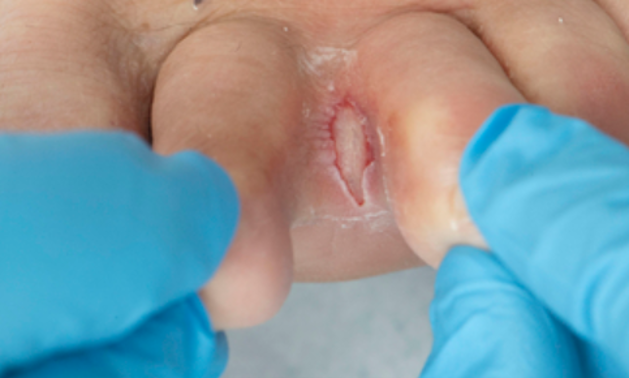
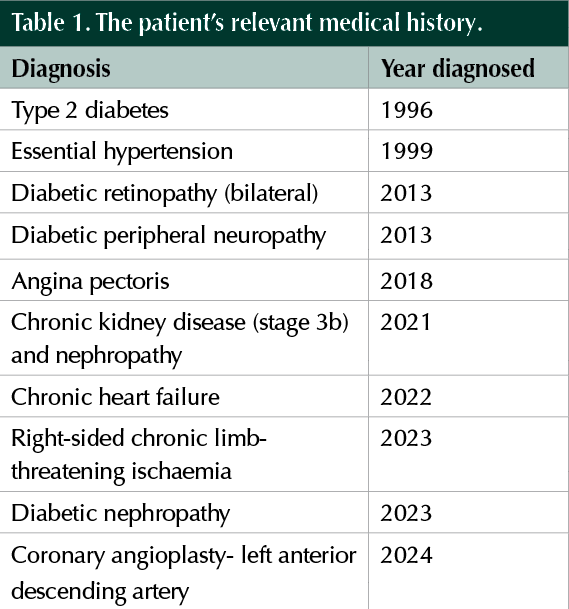
Mr Jones (name changed to protect confidentiality) is a 64 year old man who is known to podiatry services. He presented with a traumatic wound to his left foot (Figure 1). He had undergone coronary angioplasty 4 months earlier and he remained under the care of the cardiac rehabilitation team. His medical history and medications are shown in Table 1.
Wound examination and evaluation
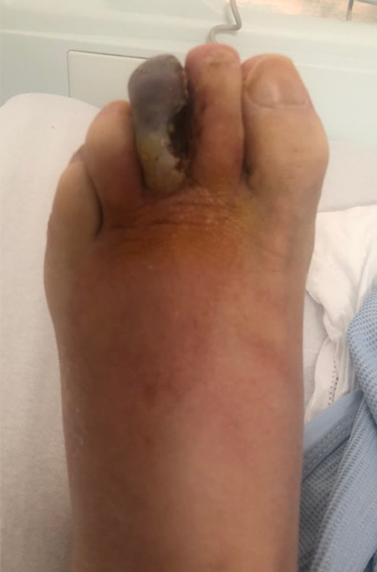
At his first visit his left dorsalis pedis and posterior tibial pulses were non-palpable, visualising monophasic waveforms, but this deteriorated to stage 4 when he developed a gangrenous, infected toe (Figure 2), indicating threat to limb (Williams et al, 2022).

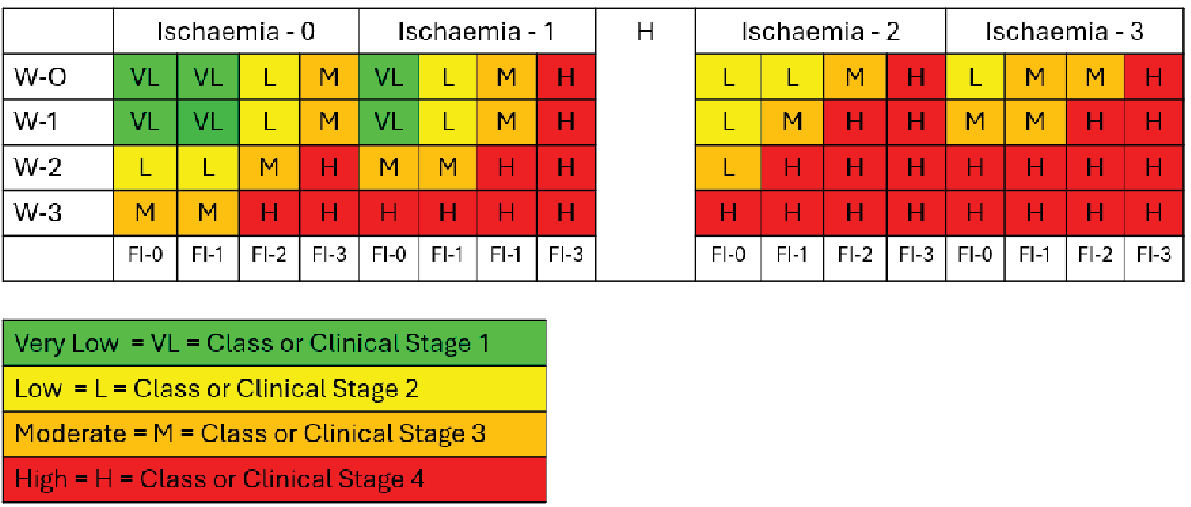
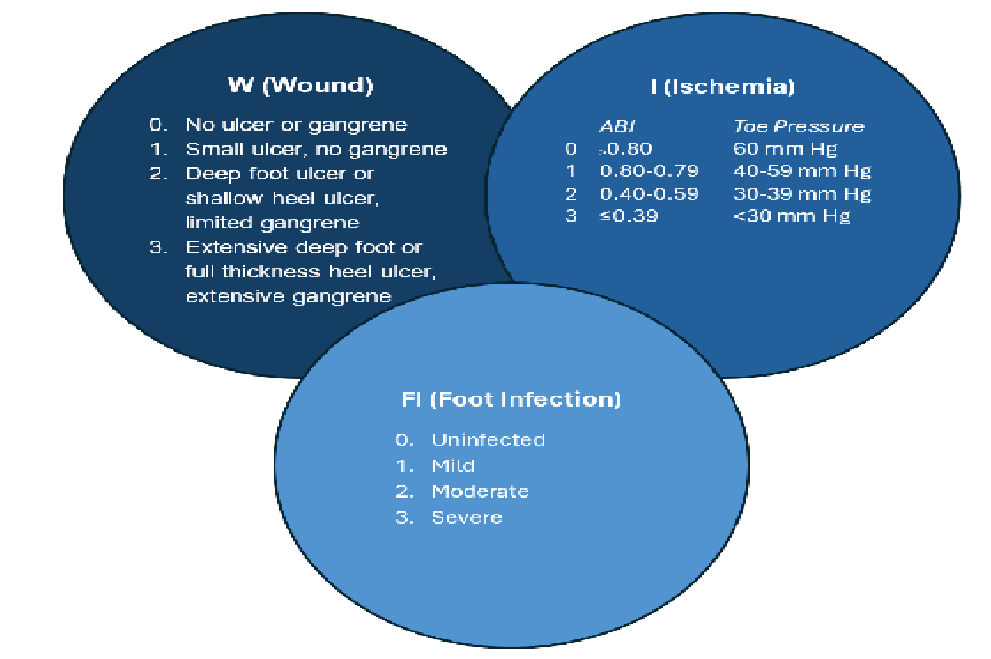
Severity of wound, ischaemia and infection can be scored using the WiFI scoring system (Figure 3), then classified as stage 1–4 utilising the Society for Vascular Surgery’s WIFI calculator, which is available as a mobile phone app (Rosemont, 2020). The calculation quantifies the threat to limb by staging 1–4. Stage 4 indicates the highest risk of amputation (Figure 4) (Cook et al, 2024).

Emergency hospital admission was arranged for Mr Jones for IV antibiotics and urgent vascular input. The infection was treated with IV antibiotics in line with local antibiotic guidelines. Magnetic resonance angiography was performed, which identified significant stenotic disease in the superficial femoral, popliteal and tibial arteries. Subsequent angioplasty was successful in the affected arteries and the third digit was amputated.

Complications
Mr Jones’ cardiac rehabilitation was postponed at the point of this admission. He developed hospital-acquired pneumonia and acute kidney injury (AKI), requiring a short stay in intensive care. He was discharged home after 32 days in hospital.


He then developed acute decompensated heart failure (ADHF), a life-threatening condition with worsening heart failure symptoms (Lala et al, 2024). Mr Jones was admitted to hospital for IV diuretic therapy (NICE, 2014). His symptoms initially resolved, but recurred 6 weeks later, requiring a further admission, where he received IV antibiotics to treat a kidney infection, an IV diuretic to stabilise his ADHF and blood transfusions to manage severe anaemia. Daily folic acid 5 mg was added to his prescription. Three weeks later, he developed symptoms of confusion and fatigue, leading to a visit to the Emergency Department. On this occasion, he was treated with further blood transfusions as a hospital day case to treat recurring severe anaemia.

Multidisciplinary team management
His wound slowly improved, and he was on optimal medical therapy for long-term PAD management, clopidogrel 75 mg once daily and atorvastatin 80 mg once daily (NICE, 2020). He was advised that he was no longer medically fit for further revascularisation.


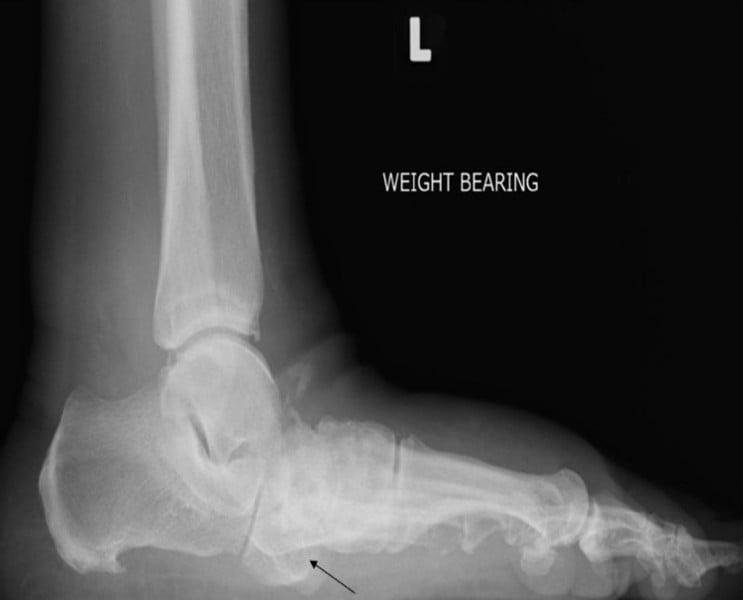
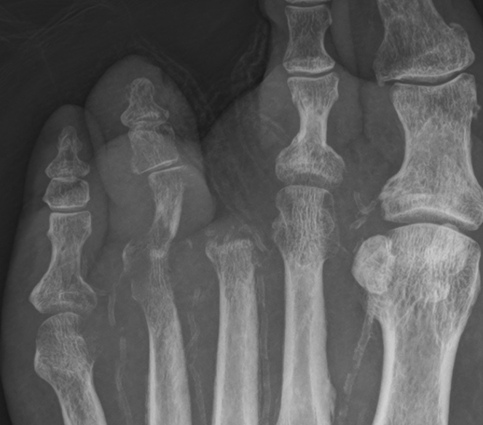
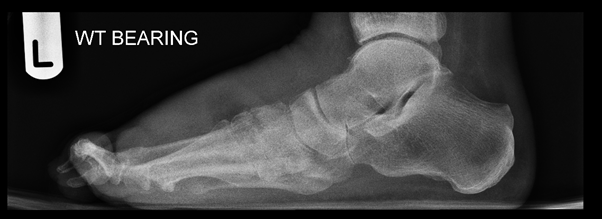
At multidisciplinary team review, the foot wound had deteriorated, with clinical signs of deep infection (International Working Group on the Diabetic Foot, 2023). Mr Jones was now walking with crutches for stability. Plain X-ray confirmed osteomyelitis (Figure 5) and deep tissue swabs were sent to microbiology.

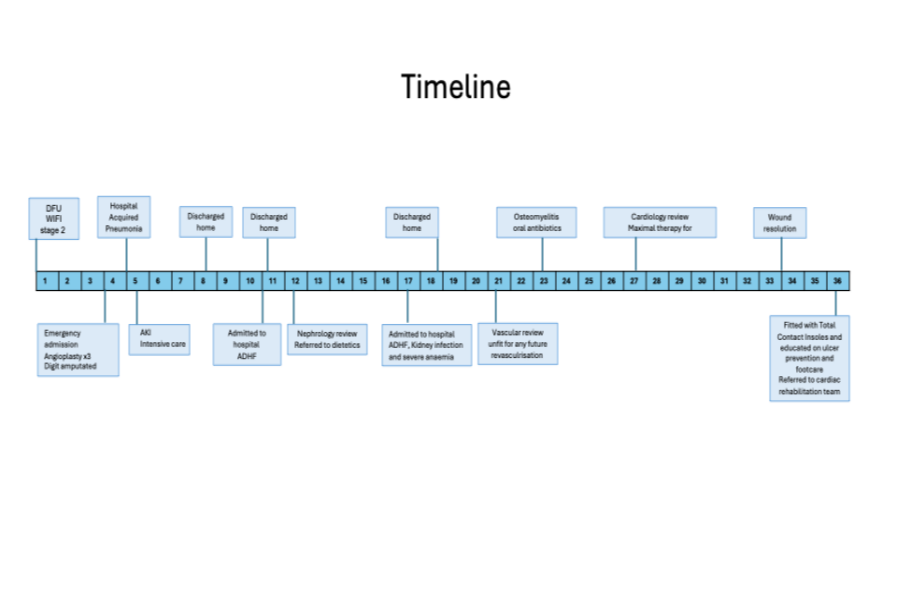
As Mr Jones was systemically well, he was prescribed oral clindamycin 300 mg 8 hourly, in line with local antibiotic guidelines. His surgical wound resolved at week 34. A timeline of events is demonstrated in Figure 6.
Discussion
Vascular interventions

Minimally invasive endovascular interventions, avoiding general anaesthesia by using tailored sedation and analgesia, are now broadly available to older and multimorbid patients, as the physiological impact is reduced (Cornelis et al, 2019; Banaś et al 2021). Despite perfusion success, poor outcomes of morbidity or mortality often follow (Houghton et al, 2019; Li et al, 2024).


Vascular surgical outcomes tend to be based on health status, rather than quality of life impact, so it may be beneficial to develop an evidence base around quality-of-life factors before and after surgery, to ensure there is meaningful value to the patient following surgical intervention.


Tissue requires higher perfusion for healing than for maintaining structural integrity, so surgical interventions targeting specific angiosomes where tissue loss is apparent, may be enough to support healing and provide long-term benefits if further tissue loss can be avoided (Hou et al, 2022; Shi et al, 2023).


In this case, angioplasty was conducted in three arteries. It is not known if reduced intervention would have had a lower impact on his morbidity and been sufficient to support wound resolution and limb preservation.

Diabetes
Mr Jones has a long history of diabetes with persistent hyperglycaemia, both of which are associated with major amputation and cardiovascular events, due to progressive vascular injury within the arterial wall caused by glycaemia mechanisms which promote atherosclerosis (Zabala et al, 2020; Soyoye et al, 2021; Wang et al, 2024).

Heart failure
Pharmacotherapy is key in heart failure to reduce mortality, prevent hospitalisation, support daily activity and improve quality of life. Although prescribing rates are improving, management is often sub-optimal, contributing to disease burden and hospitalisation (Jones et al, 2017; McDonagh et al, 2022).
On cardiology review following his two episodes of ADHF, Mr Jone’s dosing was increased to maximal medical therapy for management to stabilise his symptoms (NICE, 2018). This suggests it may be beneficial for MDT foot clinics to consider broader input when managing patients with heart failure.

Chronic kidney disease
Mr Jones developed CKD, secondary to diabetic nephropathy (Usman et al, 2021). His AKI was triggered by foot infection. In diabetes, as eGFR declines, mortality and amputation risk intensifies so eGFR should be considered when assessing and managing individuals with diabetic foot disease (Pourmoussa et al, 2025).

Anaemia
As renal function declines, red blood cell production may become compromised with resultant anaemia. Mr Jones was treated with blood transfusions on two occasions, and oral folic acid. Management is crucial, as anaemia compromises tissue oxygenation, reducing healing potential and is predictive of higher rates of inpatient complications, limb amputation and mortality (Wright et al, 2014; Lüders et al 2016). Most cases can be effectively be managed in primary care so a referral to the General Practitioner may be appropriate.

Clinical outcome
Mr Jones was clear, that he wanted to avoid major amputation at any cost, as he viewed that being the worst possible outcome for him, which is frequently the case, despite the significant associated mortality risk (Wukich et al, 2017). Wound resolution without major amputation was a satisfactory outcome to him.


After discussion, he recognised the substantial impact to his health and quality of life following intervention, and the efforts required for him to rehabilitate, which improved his understanding of being considered unfit for any future vascular intervention. He was advised that in the event of any further tissue loss, input from the palliative care team would be considered.


In Scotland, the Supportive and Palliative Care Indicators Tool (SPICT) has been developed to help clinicians identify adult individuals with deteriorating health due to one or more life-shortening conditions, who may benefit from future care planning. It is important to recognise that seeking input at the end-of-life stage is too late for effective, patient-centred care. Palliative care teams will integrate psychological, social and spiritual aspects into care planning with focus to improving quality of life, which can be invaluable to vascular patients where progression can be rapid (Cattermole et al, 2022).

Conclusion
Limb preservation was achieved in this case, despite significant multimorbidity. Although angioplasty was successful, his limb was preserved and the wound resolved, the physiological impact on Mr Jones following intervention was profound. Success was attributed to timely input at the MDT foot clinic and collaboration with the extended MDT, enabling a joined-up care approach to ensure each morbidity was optimally managed.
Podiatrists are well placed to serve as change agents with the frequency and duration of podiatry wound care, so ongoing structured, empathetic communication, paired with collaborative goal-setting can support patients to adopt and maintain health behaviour changes.


Tissue requires increased perfusion for healing than for maintaining structural integrity so there may be long-term benefits from angioplasty for Mr Jones if further tissue damage can be avoided. However, a palliative approach may be more suitable in the event of any further CLTI presentation with timely input from the palliative care team.

REFERENCES:

Alvarez-Galvez J, Vegas E (2022) Discovery and classification of complex multimorbidity patterns: unravelling chronicity networks and their social profiles. Sci Rep 12(1): 20004. doi: 10.1038/s41598-022-23617-8

Banas W, Czerniak B, Budzynski J (2021) Physical and psychological functioning of patients with chronic limb ischemia during a 1-year period after endovascular revascularization. J Vasc Surg 75(5): 1679–86. doi: 10.1016/j.jvs.2021.10.021

Carr R, Hebenton J, Davie-Smith F, Orr L (2023) A survey of the lower limb amputee population in Scotland 2020 and 2021 public report. Glasgow: Scottish Physiotherapy Amputee Research Group (SPARG). https://www.bacpar.org/data/Resource_Downloads/SPARGReport20202021-Public.pdf (accessed 11.05.2026)

Cattermole T, Ferranti K, Bertges D, et al (2022) Integration of palliative care consultation into the management of patients with chronic limb-threatening ischemia: a pilot study. J Vasc Surg 75(6): e84–5. doi: 10.1016/j.jvs.2022.03.061

Cornelis FH, Monard E, Moulin MA, et al (2019) Sedation and analgesia in interventional radiology: Where do we stand, where are we heading and why does it matter? Diagn Interv Imaging 100(12): 753–62. doi: 10.1016/j.diii.2019.10.002

Conte MS, Mills JL, Bradbury AW, White JV (2020) Implementing global chronic limb-threatening ischemia guidelines in clinical practice: utility of the Society for Vascular Surgery Threatened Limb Classification System (WIfI). J Vasc Surg 72(4): 1451–2. doi: 10.1016/j.jvs.2020.06.049

Cook IO, Mayor JM, Mills JL Sr (2024) A review of WIfI clinical staging to predict outcomes in patients with threatened limbs. Ann Vasc Surg 107: 146–53. doi: 10.1016/j.avsg.2024.01.024

Gatome-Munyua A, Sparkes S, Mtei G, et al (2025) Reducing fragmentation of primary healthcare financing for more equitable, people-centred primary healthcare. BMJ Glob Health 10(1): e015088. doi: 10.1136/bmjgh-2024-015088

Hou X, Guo P, Cai F, et al (2022) Angiosome-guided endovascular revascularization for treatment of diabetic foot ulcers with peripheral artery disease. Ann Vasc Surg 86: 242–50. doi: 10.1016/j.avsg.2022.02.012

Houghton J, Nickinson A, Morton A, et al (2019) Frailty and sarcopenia in vascular surgery patients: a systematic review and meta-analysis of patient factors and outcomes. Eur J Vasc Endovasc Surg 58(6 Suppl 3): e722. doi: 10.1016/j.ejvs.2019.09.260

International Working Group on the Diabetic Foot (2023) Practical guidelines on the prevention and management of diabetes-related foot disease: IWGDF 2023 update. https://iwgdfguidelines.org/wp-content/uploads/2023/07/IWGDF-2023-01-Practical-Guidelines.pdf (accessed 06.03.2025)

Jones NR, Hobbs FR, Taylor CJ (2017) Prognosis following a diagnosis of heart failure and the role of primary care: a review of the literature. BJGP Open 1(3): bjgpopen17X101013. doi: 10.3399/bjgpopen17x101013

Lala A, Hamo CE, Bozkurt B, et al (2024) Standardized definitions for evaluation of acute decompensated heart failure therapies: HF-ARC Expert Panel Paper. JACC: Heart Fail 12(1): 1–15. doi: 10.1016/j.jchf.2023.09.030

Lacroix P, Aboyans V, Voronin D, et al (2007) High prevalence of undiagnosed patients with peripheral arterial disease in patients hospitalised for non-vascular disorders. Int J Clin Pract 62(1): 59–64. doi: 10.1111/j.1742-1241.2007.01579.x

Li Q, Birmpili P, Atkins E, et al (2024) Illness trajectories after revascularization in patients with peripheral artery disease: a unified approach to understanding the risk of major amputation and death. Circulation 150(4): 261–71. doi: /10.1161/circulationaha.123.067687

Lüders F, Engelbertz C, Meyborg M, et al (2016) Acute and chronic anemia and short- and long-term outcome of patients with peripheral arterial disease and critical limb ischemia. Eur J Intern Med 31: 62–7. doi: 10.1016/j.ejim.2016.03.002

McDonagh T, Hardman S, Clark A, et al (2022) National heart failure audit. London: National Centre for Cardiovascular Prevention and Outcomes

Mills JL Sr, Conte MS, Armstrong DG, et al (2014) The Society for Vascular Surgery Lower Extremity Threatened Limb Classification System: risk stratification based on wound, ischemia, and foot infection (WIfI). J Vasc Surg 59(1): 220–34.e1–2. doi:10.1016/j.jvs.2013.08.003

National Institute for Health and Care Excellence (2018) Chronic heart failure in adults: diagnosis and management. London: NICE. https://www.nice.org.uk/guidance/ng106/resources/chronic-heart-failure-in-adults-diagnosis-and-management-pdf-66141541311685 (accessed 13.04.2025)

National Institute for Health and Care Excellence (2014) Acute heart failure: diagnosis and management. London: NICE. https://www.nice.org.uk/guidance/cg187/chapter/Recommendations#initial-pharmacological-treatment (accessed 17.06.2025)

National Institute for Health and Care Excellence (2020) Peripheral arterial disease: diagnosis and management. London: NICE. https://www.nice.org.uk/guidance/cg147/chapter/Recommendations#diagnosis (accessed 0.4.04.2025)

NICE Clinical Knowledge Summaries (2023) Multimorbidity. https://cks.nice.org.uk/topics/multimorbidity/ (accessed 11.05.2026)

Nordanstig J, Behrendt CA, Bradbury AW, et al (2023) Peripheral arterial disease (PAD) – a challenging manifestation of atherosclerosis. Prev Med 171: 107489. doi: 10.1016/j.ypmed.2023.107489.

Pati S, MacRae C, Henderson D, et al (2023) Defining and measuring complex multimorbidity: a critical analysis. Br J Gen Pract 73(733): 373–6. doi: 10.3399/bjgp23X734661

Pourmoussa AJ, Saxena A, Ramamoorthy V, et al (2025) The impact of chronic kidney disease on amputation and death rates in patients with peripheral artery disease in the United States. J Vasc Interv Radiol 36(7): 1144–52. doi: 10.1016/j.jvir.2025.03.013

Prior A, Vestergaard CH, Vedsted P, et al (2023) Healthcare fragmentation, multimorbidity, potentially inappropriate medication, and mortality: a Danish nationwide cohort study. BMC Med 21(1): 305. doi: 10.1186/s12916-023-03021-3

Robbins JM, Strauss G, Aron D, et al (2008) Mortality rates and diabetic foot ulcers: is it time to communicate mortality risk to patients with diabetic foot ulceration? J Am Podiatr Med Assoc 98(6): 489–93. doi: 10.7547/0980489

Rosemont I (2020) Society for Vascular Surgery Launches Mobile Apps for Staging of Chronic Limb-Threatening Ischemia. Society for Vascular Surgery. https://vascular.org/news-advocacy/articles-press-releases/society-vascular-surgery-launches-mobile-apps-staging-chronic (accessed 24 July 2026).

Sartipy F, Garcia Pereira Filho AJ, et al (2022) Presence of asymptomatic peripheral arterial disease in combination with common risk factors elevates the cardiovascular risk substantially. Int J Cardiol Cardiovasc Risk Prev 13: 200130. doi: 10.1016/j.ijcrp.2022.200130

Shi Z, Yao C, Shui Y, et al (2023) Research progress on the mechanism of angiogenesis in wound repair and regeneration. Front Physiol 14: 1284981. doi: 10.3389/fphys.2023.1284981

Soyoye DO, Abiodun OO, Ikem RT, et al (2021) Diabetes and peripheral artery disease: a review. World J Diabetes 12(6): 827–38. doi: 10.4239/wjd.v12.i6.827

Stoberock K, Kaschwich M, Nicolay SS, et al (2021) The interrelationship between diabetes mellitus and peripheral arterial disease. Vasa 50(5): 323–30. doi: 10.1024/0301-1526/a000925

Usman MS, Khan MS, Butler J (2021) The interplay between diabetes, cardiovascular disease, and kidney disease. In: Chronic kidney disease and type 2 diabetes. Arlington, VA: American Diabetes Association. doi: 10.2337/db20211-13

Wang B, Fu Y, Tan X, et al (2024) Assessing the impact of type 2 diabetes on mortality and life expectancy according to the number of risk factor targets achieved: an observational study. BMC Med 22(1): 114. doi: 10.1186/s12916-024-03343-w

Williams P, Bakewell Z, Akinlade B, Russell D (2022) WIfI scoring: a reliable tool for risk stratification in the diabetic foot clinic. J Vasc Soc G B Irel 1(3): 71–6. doi: 10.54522/jvsgbi.2022.020

Wong ND, Sattar N (2023) Cardiovascular risk in diabetes mellitus: epidemiology, assessment and prevention. Nat Rev Cardiol 20(10): 685–95. doi: 10.1038/s41569-023-00877-z

Wright JA, Richards T, Srai SKS (2014) The role of iron in the skin and cutaneous wound healing. Front Pharmacol 5: 156. doi: 10.3389/fphar.2014.00156

Wukich DK, Raspovic KM, Suder NC (2017) Patients with diabetic foot disease fear major lower-extremity amputation more than death. Foot Ankle Spec 11(1):17–21. doi: 10.1177/1938640017694722

Zabala A, Darsalia V, Holzmann MJ, et al (2020) Risk of first stroke in people with type 2 diabetes and its relation to glycaemic control: a nationwide observational study. Diabetes Obes Metab 22(2): 182–90. doi: 10.1111/dom.13885

Related content
;
Free for all UK & Ireland healthcare professionals

Sign up to all DiabetesontheNet journals


By clicking ‘Subscribe’, you are agreeing that DiabetesontheNet.com are able to email you periodic newsletters. You may unsubscribe from these at any time. Your info is safe with us and we will never sell or trade your details. For information please review our Privacy Policy.

Are you a healthcare professional? This website is for healthcare professionals only. To continue, please confirm that you are a healthcare professional below.

We use cookies responsibly to ensure that we give you the best experience on our website. If you continue without changing your browser settings, we’ll assume that you are happy to receive all cookies on this website. Read about how we use cookies.