

The initial consultation
See the person – the initial consultation and screening in primary care
Nicola Milne, Primary Care Diabetes Specialist Nurse, Manchester
■ It is important to ensure the correct diagnosis, as there are many different types of diabetes and management differs accordingly.
■ It may not be possible to classify the type of diabetes at onset; the priority is keeping the person safe.
- Misdiagnosis occurs in up to 40% of adults with new type 1 diabetes.
- Antibody and C-peptide testing may be required, and these take time.
■ Remember monogenic diabetes (maturity-onset diabetes of the young; MODY) – specific gene mutation.
- Usually age <25 years old.
- Probability calculator and open-access education at: www.diabetesgenes.org.
■ HbA1c may be an unreliable measure of glycaemia in some situations, being falsely high or low. Some conditions can interfere with accurate assays.
■ The Lyla’s Law campaign is the important legacy from Lyla Story’s missed type 1 diabetes diagnosis.
- Remember the 4Ts: Toilet, Thirsty, Tired, Thinner. If any are present, suspect type 1 diabetes and check capillary blood glucose and ketones, and arrange immediate further assessment.
- Type 1 diabetes incidence climbs through childhood, peaks at adolescence, steady incidence to mid-30s and then declines – but can present at any age.
■ Suspect pancreatic cancer in people aged ≥60 years with weight loss and any of: back pain, diarrhoea, abdominal pain, nausea, vomiting or new-onset diabetes.
- Arrange urgent direct-access CT scan (urgent ultrasound scan if no direct access to CT).
Resources
- Exeter University. MODY probability calculator and education resources
- Milne N, Thomas T (editors). The Oxford Handbook of Diabetes Nursing (2nd edition)
- PCDO Society. Diagnosis e-Learning module series
- Diabetes & Primary Care resources:
Helping people come to terms with a diagnosis of type 2 diabetes
Jane Diggle, Specialist Diabetes Nurse Practitioner, West Yorkshire
■ The emotional and psychological side of diabetes is difficult to quantify and impacts quality of life.
■ Diabetes stigma is defined as, “The adverse social judgment, stereotypes, and discriminatory attitude directed toward people living with diabetes because of having the condition” (Speight et al, 2024).
- 80% of people with diabetes have faced negative attitudes, and 1 in 5 have faced discrimination.
- Healthcare professionals may be a source of diabetes stigma.
- Diabetes stigma impacts psychological, social and physical wellbeing.
■ The initial consultation after diabetes diagnosis is a pivotal moment that shapes how someone perceives their condition and how they manage it.
- Reactions to the diagnosis commonly include shock and disbelief, fear and uncertainty, guilt and self-blame, stigma and shame, and loss of control/overwhelm.
- How healthcare professionals communicate shapes long-term engagement, trust and outcomes.
■ Language matters in every consultation – words have the power to harm or heal, to reinforce stigma or to promote engagement.
- Non-verbal communication – tone of voice, facial expression – is important too.
■ Clinicians can:
- Acknowledge the emotional impact – validate emotions.
- Normalise distress and uncertainty.
- Explore what matters most to the person.
- Reframe diabetes as manageable.
- Collaborate on next steps.
- Offer follow-up to reinforce continuity and support.
■ Consultation tips to reduce blame, shame and bias:
- Collaborative goal-setting: co-create a management plan.
- Shift away from directives (“must, should, can’t”) to options (“could try this, consider that”).
- Normalise treatment escalation – progression is biological, not personal failure.
- Pace information delivery – arrange early follow-up.
Further reading
- Speight J et al (2024) Bringing an end to diabetes stigma and discrimination: an international consensus statement on evidence and recommendations. Lancet Diabetes Endocrinol 12: 61–82
- Turner M, Barton AH (2026) “See me, not my diabetes”: A person-centred guide to better care. Journal of Diabetes Nursing 30: JDN407
Resources
- NHS England. Language Matters: Language and diabetes
- Diabetes UK resources:
- For healthcare professionals: Diabetes and Emotional Health – a practical guide for healthcare professionals supporting adults with Type 1 and Type 2 diabetes. Chapter 2 – Facing life with diabetes
- For people living with diabetes: Coping with a diabetes diagnosis
- Diabetes & Primary Care resources:
Early-onset type 2 diabetes
Type 2 diabetes management in a young person
Chirag Bakhai, GP, Luton
■ Incidence of early-onset type 2 diabetes (EOT2D) – that diagnosed at age <40 years – is growing faster than onset aged 40–79 years. EOT2D is over-represented in people of minority ethnicity.
■ EOT2D matters because:
- Poorer cardiometabolic parameters and glycaemic progression.
- Earlier development of complications.
- More years of life lost due to diabetes:
- 10–14 years in men and 11–16 years in women if diagnosed at age 30–40 years.
- Adverse pregnancy outcomes and increasing prevalence of pregnancies complicated by type 2 diabetes.
- Pregnancy preparation and maternal glucose levels during pregnancy have improved in women with type 1 but not type 2 diabetes.
- Risk of serious adverse pregnancy outcomes is higher in pregnancies complicated by type 2 diabetes.
- Despite the increased risks, people with EOT2D are less likely to:
- Receive all 8 care processes than older people (47.3% aged 26–39 vs 66.6% aged 60–79 years).
- Have glycaemia “to target” than older people.
■ Beware the traps! Do not assume this is type 2 diabetes, that all medicines recommended in NICE NG28 are appropriate for every individual, or that the diabetes is the person’s main concern.
■ Practical framework for management:
- Carefully consider if diagnosis is type 1 diabetes (same-day specialist review), type 2 diabetes or MODY, both at diagnosis and at each review – consider misclassification.
- Contraception and planning for future pregnancy.
- Psychological wellbeing and social support.
- Optimise glycaemia, cardiovascular risk and weight.
- More likely to be obese than older age groups.
- Consider NHS Type 2 Diabetes Path to Remission Programme (45% remission rate if referred in first year from diagnosis), specialist weight management, structured education, group clinics.
■ NICE (2026) NG28 guidance:
- Offer modified-release metformin and an SGLT2 inhibitor. Consider triple therapy by adding a GLP-1 RA for cardiovascular, renal and glycaemic benefits, or tirzepatide for glycaemic benefits.
- If metformin contraindicated or not tolerated, offer an SGLT2i and consider a GLP-1 RA or tirzepatide.
- Set individualised targets together. Intensive glycaemic targets (<48 mmol/mol) are often appropriate with high lifetime risk. Avoid delay in escalation.
- Manage weight and blood pressure. Consider lipid-lowering therapy even if QRISK3 is low.
Resources
- EDEN: EOT2D toolkit
- NDA Young people with type 2 diabetes dashboard
- National Pregnancy in Diabetes Audit dashboard
- NHS Type 2 Diabetes Path to Remission Programme
Barriers to care in EOT2D
Rahul Mohan, GP, Nottingham
■ People with EOT2D face triple barriers: higher lifetime risks associated with type 2 diabetes, harder engagement and unequal access to care (NICE, 2026).
■ Clinical complexity and risk can be underestimated:
- Very high lifetime risk of cardiovascular disease, renal complications and premature death.
- Likely to be living with obesity.
- Early intensive treatment is important, but the evidence is extrapolated as there are limited trials in EOT2D.
■ Engagement, adherence and person-centred care barriers:
- Stigma, stereotypes, blame, shame and guilt can undermine care.
- Non-judgmental medication discussions are needed to support starting/continuing treatment.
- Side-effects, treatment burden and practical barriers can reduce adherence.
- Women of childbearing potential: pregnancy and fertility counselling around medications.
■ System access and inequality barriers:
- Education must fit cultural, linguistic, cognitive and literacy needs.
- Lifestyle advice should be individualised and aligned with quality of life.
- SGLT2 inhibitor uptake and technology access are currently unequal.
■ Practice implications: barrier is whether the system delivers early intensive treatment, tailored education, non-judgemental conversations and equitable access to modern therapies and technology.
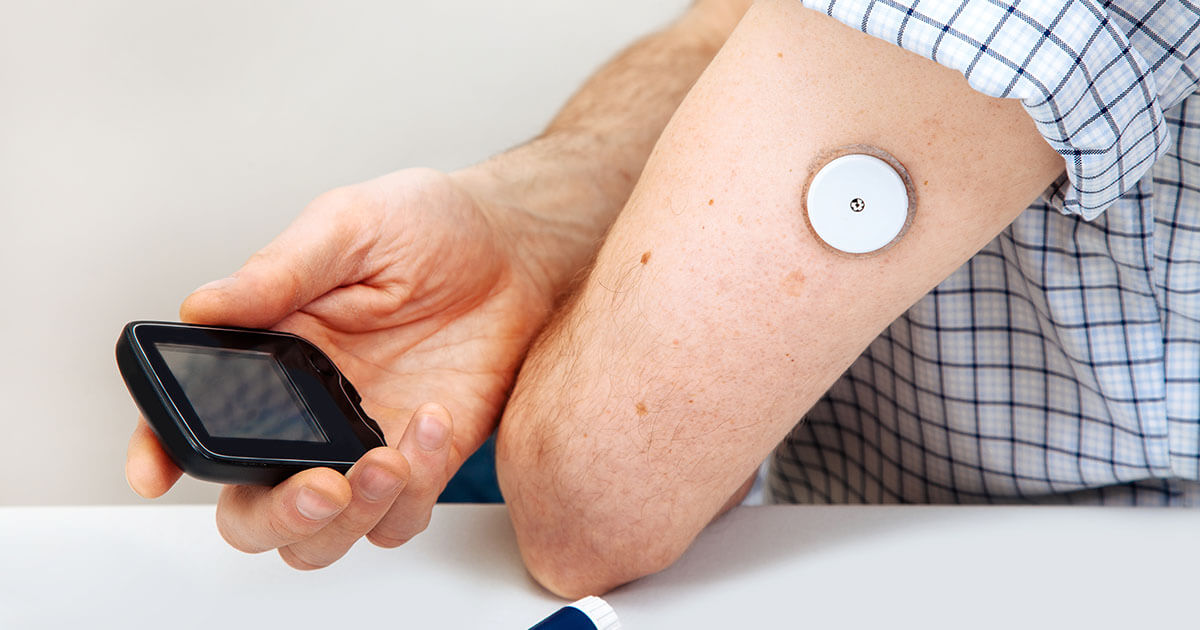
■ Continuous glucose monitoring (CGM) can be used to help overcome barriers in diabetes management:
- Reveals what HbA1c hides: post-meal glucose spikes, overnight hypoglycaemia, glucose variability, treatment mismatch and lifestyle barriers (e.g. shift work).
- Data capture provides insights, allowing coaching conversations and shared decision-making, action and review to improve outcomes.
- Supports personalised coaching and education.
- Helps overcome barriers with engagement (e.g. low motivation, poor understanding, hypoglycaemia fear, therapeutic inertia, stigma).
- Helps identify treatment barriers.
■ CGM can widen inequalities if access is not actively monitored and addressed.
■ Barriers to implementing NICE NG28 are not only clinical but system-level, and include:
- Inequitable access to and uptake of drugs.
- Workforce capability and protected time.
- Pathway fragmentation and inconsistent delivery.
- Resource and capacity pressures.
- Digital, data and monitoring challenges.
- Personalisation complexity at scale – including shared decision-making and non-judgemental communication.


Combination of GLP-1 and amylin agonist results in significant weight loss and HbA1c reduction.
14 Aug 2026