
For healthcare professionals specialising in wound care, Managing the Diabetic Foot by Michael E Edmonds and the late Alethea VM Foster (Wiley Blackwell, ISBN 978-0-4706-5505-4]) stands out as a clinically focused and practical resource that addresses the complexities of diabetes-related foot ulceration and its management. The book is an asset for podiatrists, tissue viability nurses and clinicians working in multidisciplinary teams in the acute sector.
A key strength of this book is its strong alignment with day-to-day wound management practices for diabetic foot ulcers (DFUs). The authors place significant emphasis on DFU assessment, classification and evidence-based treatment strategies, making the text highly relevant for wound care clinicians responsible for wound evaluation and formulation of care plans. The detailed discussions on microbiological control and offloading techniques provide actionable guidance that can be readily applied in both community and acute clinical environments.
The book excels in its coverage of infection management, which is a crucial aspect of DFU care. The text clearly outlines the identification of soft tissue infection and osteomyelitis, supporting clinical decision-making on antimicrobial therapy and when to escalate care. This is particularly helpful for wound care specialists when balancing local wound management with systemic considerations.
Another notable feature of the book is the integration of vascular assessments, such as the ankle–brachial pressure index (ABPI). The authors reinforce the importance of recognising and staging ischaemia of the lower limb while ensuring timely referral for revascularisation, which is often a decisive factor in wound healing outcomes. This holistic approach helps clinicians acknowledge wider interlinked aspects of wound management and address underlying pathophysiology.
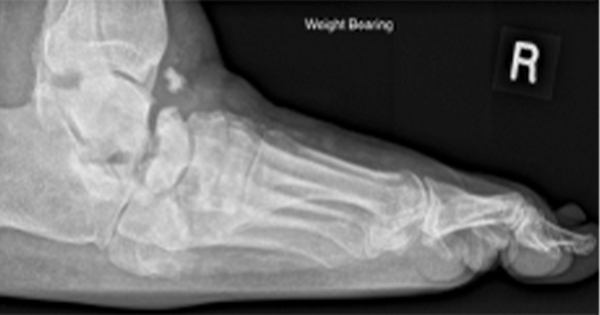
The inclusion of clinical images and real-world case studies ensures an enhanced learning experience, allowing clinicians to visualise various stages of DFU progression, differential diagnoses and potential treatment options. Additionally, the book’s structured approach to establishing risk stratification and prevention supports proactive DFU management, which is crucial in reducing ulcer recurrence rates.
Importantly, the authors fervently advocate for a multidisciplinary model of DFU management. This is categorised into two distinct teams: the multidisciplinary foot care team and the foot protection team. This reinforces the central role that wound care specialists play in a broader team comprising specialist podiatrists, microbiologists, vascular surgeons, orthotists and nurses. The book underscores how effective communication and coordinated care pathways improve DFU healing rates and prevent amputations.
While the content is detailed and clinically dense, it remains highly relevant and accessible, with its pocket size making it portable for clinicians. Those newer to the field, such as apprentices or new graduates, may need to supplement their reading with foundational knowledge; however, the book ultimately serves as an excellent bridge between theory and advanced DFU management.
For wound care specialists, Managing the Diabetic Foot is an indispensable reference that supports evidence-based practice and informs clinical decision-making. The book’s practical insights into DFU management, microbiological control, and multidisciplinary care make it an important text for improving patient outcomes in DFU care.