
Trial results indicate that undiagnosed heart failure is common among people with diabetes. Findings from TARTAN-HF suggest that a simple screening programme could greatly improve diagnosis rates and facilitate the earlier initiation of therapy.
Heart failure is a common cardiovascular complication of diabetes but, until now, there has been little evidence to justify widespread screening for the undiagnosed condition. TARTAN-HF is a multicentre, unblinded, randomised controlled trial led by the University of Glasgow. Its primary aim is to assess a targeted screening strategy to detect undiagnosed heart failure in high-risk individuals with diabetes.
The trial recruited over 700 adults aged ≥40 years with an established diagnosis of type 1 or types 2 diabetes and at least one additional risk factor. Participants were randomised to undergo screening for heart failure or to continue with their usual care. Initial findings were presented at the America College of Cardiology Conference in March.
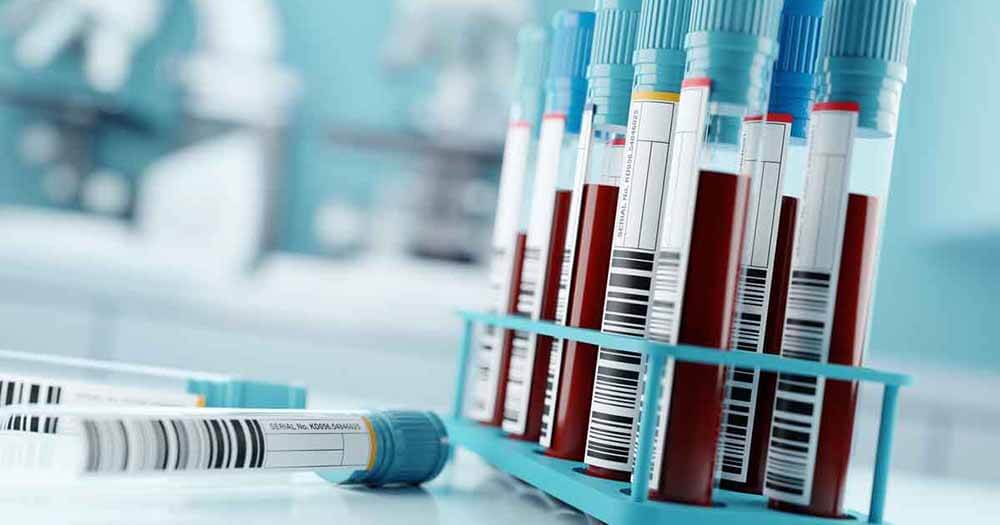
In the intervention arm, screening involved the measurement of NT-proBNP from a blood sample. This widely available test is used to aid the diagnosis of suspected heart failure or to rule it out. Participants with an elevated NT-proBNP measurement (≥125 pg/mL; just under half of those screened) underwent echocardiography and a clinical examination for heart failure. Those receiving routine care were monitored electronically for heart failure events.
Screening detected many previously unrecognised cases, with 24.9% of participants diagnosed within 6 months. By contrast, heart failure was diagnosed in only 1% of the control group.
Of those diagnosed with heart failure, almost all had preserved ejection fraction, which is difficult to detect and often underdiagnosed in primary care. As a result of screening, these participants were more likely to start taking an SGLT2 inhibitor, a class of medication known to be beneficial in heart failure. Use of SGLT2 inhibitors in the screening arm increased from 24% at baseline to 39% at 6 months.
Participants in the screening arm were less likely to experience hospitalisation for heart failure or death than those receiving usual care (3.1% vs 6.8%), representing a risk reduction of 55%.
The extent of unrecognised heart failure in people living with diabetes suggests that targeted screening could significantly benefit the lives and outcomes of people with diabetes by enabling the earlier initiation of appropriate treatments.