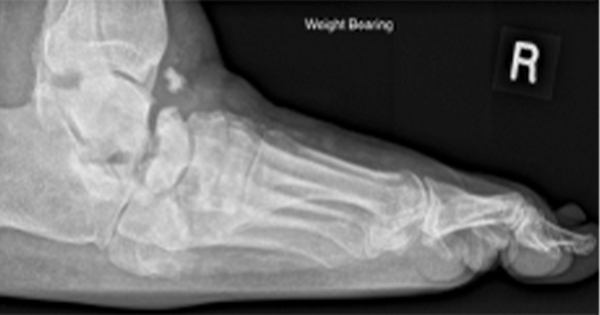

Diabetic foot ulcers (DFUs) affect approximately 6% of people with diabetes globally, with a lifetime incidence ranging from 19% to 34%, depending on the population studied and diagnostic criteria used (Boulton et al, 2005; Zhang et al, 2017). These ulcers are typically the result of a complex interplay of peripheral neuropathy, peripheral arterial disease (PAD) and biomechanical abnormalities, all of which contribute to a progressive breakdown of the skin barrier. DFU presence is strongly associated with an increased risk of infection, hospitalisation, lower-extremity amputation and mortality (McDermott et al, 2023). It has been reported that up to 85% of diabetes-related amputations are preceded by a foot ulcer (Singh et al, 2005). In addition, patients with a history of DFU face recurrence rates exceeding 40% within the first year of healing (Armstrong et al, 2017).
DFUs account for a considerable proportion of diabetes-related hospital admissions and are a leading cause of non-traumatic lower-limb amputation worldwide. In countries with well-resourced health systems, such as the United Kingdom and the United States, the annual cost of managing DFUs is comparable to that of many cancers (Armstrong et al, 2020; Guest et al, 2020). Beyond the direct medical costs, the psychosocial and occupational impacts are profound. Despite advancements in multidisciplinary care and guidelines promoting early intervention, real-world healing rates remain suboptimal. Data from recent cohorts indicate that more than 70% of DFUs remain unhealed after 12 weeks of standard care, and a substantial proportion persist beyond 20 weeks (Cove et al, 2025).
Moreover, the prevalence of peripheral arterial disease is increasing in the last 20 years, especially in high- and medium-incomes countries, where neurosichaemic diabetic foot ulcers represent around 70% among diabetes related-foot disease (Meloni et al, 2024).
In this context, it becomes imperative to explore novel technologies that address the multifactorial pathophysiology of these wounds. Among the mechanisms implicated in impaired healing, deficiencies in nitric oxide (NO) bioavailability stand out due to their role in vascular regulation, immune response modulation and microbial control (Tucker et al, 1999). Addressing NO dysregulation could unlock new pathways to enhance healing outcomes in this high-risk population.
A novel nitric oxide-generating device
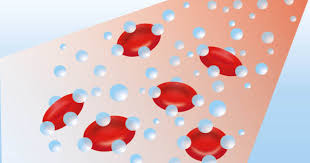
NO is an essential molecule that helps the skin heal. Its role includes vasodilation, proangiogenic, immunomodulatory and antimicrobial effects. In people with diabetes, local NO production is impaired, contributing to the chronic, hypoxic and inflamed wound environment. Therefore, localised NO delivery represents a rational strategy (Schwentker and Billiar, 2003).
EDX110 (ConvaNiox, Convatec) is a Class III medical device that incorporates a system for generating NO in situ. It consists of two layers: a primary one that maintains a mildly acidic moist environment and promotes autolytic debridement, and a secondary layer that triggers NO release.
The most robust body of evidence on EDX110 to date comes from the ProNOx1 study (Edmonds et al, 2018), a prospective, multicentre, observer-blinded randomised controlled trial conducted in the UK This study included 148 diabetic foot ulcers in 135 participants, across 10 specialist hospital-based diabetic foot units. The trial was designed to reflect a real-world population, including ulcers of various aetiologies (neuropathic, neuroischaemic and infected), with wide-ranging durations and baseline sizes.
The results demonstrated a statistically significant improvement in wound healing in the EDX110 (NO) group compared to standard care. The primary endpoint, percentage area reduction (PAR) at 12 weeks, was nearly doubled with EDX110 (median PAR of 88.6%) versus standard care (46.9%) (p=0.016). Importantly, this level of improvement was observed without compromising safety or tolerability. In fact, EDX110 showed a favourable safety profile, with fewer ulcer-related serious adverse events than the control group.
Beyond the PAR metric, complete healing at 12 weeks was achieved in 40% of patients treated with EDX110 compared to 26% with standard care. Although this difference reached statistical significance only in the per-protocol population, it points to the clinical relevance of this dressing in accelerating full re-epithelialisation. Interestingly, the reduction in wound size seen with EDX110 in just 4 weeks matched what standard care achieved at 12 weeks – suggesting a faster healing trajectory.
One particularly important sub-analysis focused on infected ulcers. Here, EDX110 showed a marked trend toward better outcomes: a 45% healing rate versus 23% with standard care. While this difference did not reach statistical significance due to the small sample size, it aligns with the proposed antimicrobial and biofilm-disrupting mechanisms of NO and supports further investigation. Moreover, ulcers with shorter durations (<6 months) and larger baseline sizes (>1 cm²) responded especially well, indicating that EDX110 may be particularly suited to early intervention in complex cases.
The study design demonstrates a high degree of methodological rigour. By employing blinded digital planimetry for wound measurement and maintaining consistent debridement and offloading protocols across both groups. Although dressing types in the control arm were heterogeneous, this was aligned with best clinical practice and added real-world generalisability.
Cost-effectiveness analysis
To complement the clinical trial, a comprehensive cost-effectiveness analysis was conducted using a Markov model parameterised with data from the ProNOx1 randomised controlled trial (Guest and Edmonds, 2025). The model simulated outcomes over a 24-week horizon from the perspective of the UK’s NHS. It incorporated transitions between wound states (healed, improved, static, infected and post-amputation) and accounted for resource use including nurse visits, debridement, antibiotics and hospitalisation.
The cost-effectiveness model estimated that treatment with EDX110 led to a 63% increase in the probability of wound healing compared to standard care (49% vs. 30%), which translated into a 6% improvement in quality-adjusted life years (QALYs). Importantly, the observed improvement in health outcomes was accompanied by a 20% reduction in overall DFU management costs, even when the cost of the device itself. When the unit price of EDX110 was modelled at £40 per application, the intervention was found to be cost-effective in over 80% of cases and dominant (i.e. more effective and less costly) in many scenarios.
Further subgroup analysis underscored the value of EDX110 in infected ulcers, which typically demand higher levels of care and incur greater costs. At the same price point, EDX110 was dominant in infected DFUs and remained cost-effective in non-infected cases. These findings highlight the dual clinical and economic value of the NO-based device, especially in patient groups with high resource utilisation.
The model was tested with sensitivity analyses that varied the assumptions for healing rates, clinician visits, and amputation incidence. The conclusions remained robust, reinforcing the potential of EDX110 to deliver meaningful cost savings and improved outcomes in real-world settings.
Clinical implications
EDX110’s multifaceted mechanism of action — including moisture balance, autolytic debridement, and both antimicrobial and antibiofilm activity — positions it as a suitable first-line dressing for managing diabetic foot ulcers across diverse aetiologies. The potential to simplify early management and reduce delays in initiating effective treatment could help address the persistent burden of non-healing wounds in diabetes care. In particular,
EDX110 may be of benefit to patients with neuroischaemic DFUs and foot ulcers with high risk of infection or suspected biofilm presence
Limitations and future perspectives
While the ProNOx1 randomised trial and cost-effectiveness data provide strong preliminary support, further evidence is needed to reinforce the generalisability of findings across different healthcare systems. Real-world observational studies and larger trials, particularly in diverse patient populations and under routine clinical conditions, will be essential to validate efficacy and cost-effectiveness at scale. Additionally, future research should explore EDX110’s role within the ‘woundosome’ framework (Patrone et al, 2025), in preventing recurrence, its impact when integrated into multidisciplinary care pathways. Comparative effectiveness studies against other advanced wound therapies are also warranted. Patient-centred outcomes, such as adherence, ease of use and satisfaction, should be systematically evaluated to inform real-world implementation.
Conclusion
EDX110 represents a disruptive innovation targeting a key pathophysiological deficit in diabetic wounds. In an environment where healing rates remain suboptimal, this topical NO-based approach offers improved outcomes, lower costs. The evidence to date – both clinical and economic – supports its adoption as a valuable adjunct to current DFU management strategies. With further validation, it may well redefine the standard of care in the local treatment of hard-to-heal diabetic foot ulcers.